
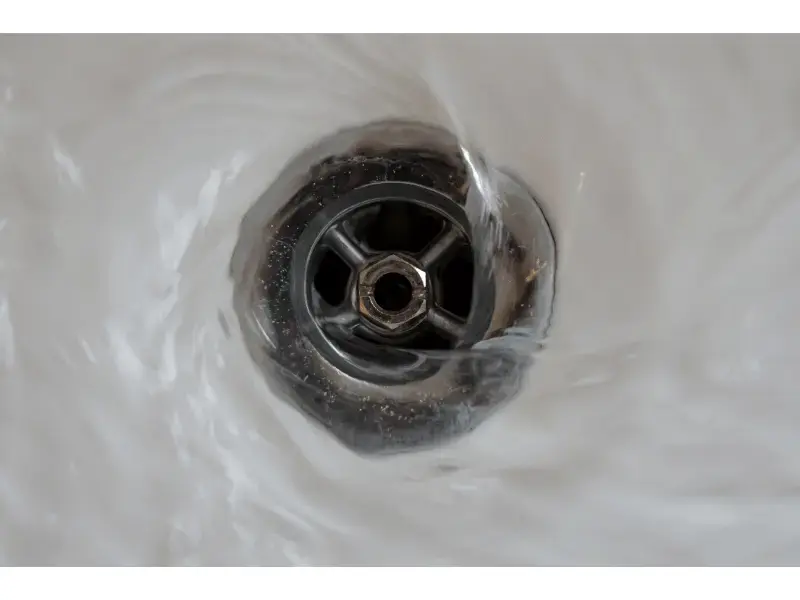
Why Is My Drain Gurgling? Signs of Main Sewer Line Trouble
Why Is My Drain Gurgling? Signs of Main Sewer Line Trouble
Quick Answer: Drain gurgling usually comes down to air moving where it shouldn’t often from a partial clog, a blocked vent pipe, or early main sewer line trouble. If the sound happens after you run water, flush, or drain a tub, it can mean trapped air and air displacement inside the drain pipes. When more than one fixture is involved, treat it as a warning that the main drain may be restricted. Reduce heavy water use, check for odors and slow drainage, and take action before water backing up turns into a messy overflow.
What a Gurgling Drain Sound Actually Means
Drain gurgling is usually a sign of air pockets moving through water because flow is restricted or venting is off.
In a healthy plumbing system, water drains smoothly and vents pull in air through a roof vent (vent stack) so pressure stays balanced. When something disrupts that balance like a blocked drain line, a clog, or vent obstruction your plumbing “talks” through gurgles.
A simple way to think about it: water can’t move without air. If the system can’t breathe normally, it steals air through the nearest drain opening, creating that bubbling sound.
If you’re dealing with persistent clogs and noise, contacting plumbing experts for clogged drains can help confirm whether you’re looking at a fixture-level issue or something deeper.
The 3 Most Common Causes of Drain Gurgling
Most gurgling is caused by
1) Blocked or Partially Clogged Pipes
A partial clog can trap air and create resistance. As water pushes through, bubbles escape with a gurgle. Common clog contributors include:
- grease and food residue
- hair and soap buildup
- debris that collects over time
This often starts as slow drainage, then progresses if ignored.
2) Vent Pipe Issues (The Can’t Breathe Problem)
Your venting system lets air into the drain pipes so wastewater can flow. If the vent pipe or roof vent (vent stack) is blocked often by leaves and debris, bird nests, or even rodents nesting in vents your system can’t pull air properly. That creates a vacuum / negative pressure, and air gets pulled through drains instead.
3) Main Sewer Line Problems (When It’s Not Just One Drain)
If gurgling shows up in multiple fixtures, the main sewer line may be restricted. Causes include:
- tree roots (root intrusion)
- heavy buildup leading to an obstructed sewer line
- a cracked pipe or collapsed pipe
- a deeper complete blockage developing over time
This is when the risk of backups rises fast.
The Multiple Fixtures Clues That Point to the Main Line
Drain gurgling across multiple areas usually means pressure is building behind a restriction in the main sewer line.
Here are the patterns that matter most:
- Toilet bubbling when you flush
- water rising or burping in a nearby tub/shower
- gurgling that spreads from one fixture to another
- the sound continues after use (not just once)
If you’re also noticing yard symptoms (odors outside, wet patches, settling), that can overlap with signs of broken sewer lines especially when the line is damaged underground.
Why the P-Trap Matters (And When It Doesn’t)
The P-trap (trap pipe) can cause gurgling if it’s faulty, but it’s not the most common reason for whole-house symptoms.
Under most sinks you have a U-shaped pipe that holds water as a water barrier / trap seal. Its job is to prevent sewer gas from entering your home. If the trap is dry, damaged, or incorrectly installed, you may hear air movement and smell unpleasant odors from drain areas.
Tip: If one sink gurgles and smells, run water for 30 seconds to restore the trap seal. If the smell returns quickly, don’t ignore it especially if it’s paired with slow draining or bubbling.
Quick DIY Checks You Can Try Safely
To narrow down why my drain is gurgling, test one fixture at a time, then check venting and localized clogs.
6-Step Isolation Test (10 minutes)
- Run water in one sink for 20-30 seconds and listen for gurgling.
- Flush a toilet once to listen for bubbling in nearby drains.
- Run a shower for 1 minute and watch if water starts pooling.
- Note whether the sound is isolated or spreads to other fixtures.
- Smell near drains for foul odors or sewer smell.
- If you have a basement, check the basement floor drain area for moisture or rising water.
If you get spread-out symptoms (multiple drains reacting), treat it like a main-line warning.
Safe Quick Fixes for a Single Drain
- Use a plunger on the affected drain (good for minor localized clogs).
- Try a drain snake / auger for deeper obstructions in one fixture.
- Remove and clean a sink stopper or pop-up assembly (hair/soap traps).
- Flush with hot (not boiling) water to reduce light greasy buildup.
Important: Avoid harsh chemical drain cleaners when gurgling is widespread they can damage pipes and don’t solve main line restrictions.
What Your Specific Symptom Pattern Usually Means
The pattern is more important than the sound itself; patterns reveal whether it’s venting, clogging, or main-line trouble.
Symptom Pattern → Most Likely Cause
| What You Notice | Most Likely Cause | Why It Happens |
| One sink gurgles after use | partial clog or local air pockets | water pushes past trapped air |
| Gurgling + bad smell at one sink | P-trap issue or local buildup | trap seal compromised |
| Two+ fixtures gurgle (same time) | main sewer line restriction | pressure/air shifts across system |
| Gurgling after rain or heavy use | sewer line blockage / vent issues | more flow exposes weak points |
| Bubbling + slow drainage + backups | escalating obstruction | can progress toward complete blockage |
The Classic Kitchen + Toilet Clue
Drain gurgles when fixtures interact often point to shared piping or a main-line restriction.
One of the most telling homeowner reports is: kitchen sink gurgles when toilet flushes. That cross-talk usually means air is being forced through the path of least resistance often because the main line is partially blocked or venting can’t balance pressure.
You might also notice drain bubbling in a nearby shower or tub after a flush. This isn’t random; it’s air being displaced by restricted flow.
When Gurgling Means Stop and Act Now
Drain gurgling becomes urgent when it’s paired with odors, backups, or multiple drains reacting.
Red flags that should move you from DIY to diagnosis:
- water backing up in tubs, showers, or the lowest drain
- sewer smell plus gurgling (potential sewer gas exposure)
- repeated gurgling that returns after plunging/snaking
- multiple fixtures affected across floors
If you’re hearing gurgling sound in drain pipes plus noticing the system fighting to drain, that’s a strong sign you’re beyond a simple clog.
Prevention That Actually Works (Without Being Overkill)
Preventing gurgles mostly means preventing clogs and keeping vents clear.
Habits That Reduce Future Gurgling
- Don’t pour cooking grease or paint into drains
- Use drain screens in showers and sinks
- Run enough water when using a disposal (move debris through)
- Avoid flushing wipes or hygiene products
- After big storms, pay attention to new drain noises
If your home has recurring main-line buildup, your maintenance approach may need to be stronger than just a snake.
When Hydro Jetting Is Mentioned (And When It Makes Sense)
If buildup is heavy and recurring, drain gurgling may be a symptom of a line that needs thorough cleaning not just a spot-clear.
A standard snake can punch a hole through soft blockage, but it may leave sludge and grease on pipe walls. In cases of heavy buildup, hydro jetting pipes is the right solution because it can scour interior walls and remove stubborn residue especially when the issue is repeated gurgles, slow drainage, and recurring obstructions.
If you’re considering that approach, trained hydro jetting professionalists matter because pressure must match the pipe type and condition (older pipes require extra care).
How Professionals Diagnose Main-Line Gurgling Without Guesswork
Accurate diagnosis usually combines drain assessment, vent evaluation, and camera-based confirmation.
This is where working with a best plumbing company makes a difference: they can confirm whether the gurgling is caused by venting, a localized clog, or true main-line restriction before it turns into a major event.
Tip: If symptoms worsen after storms or show up in waves, mention that timing during diagnosis helps narrow down vent vs sewer line issues faster.
Fast Clarity-Is This a Main Sewer Line Issue or Not?
The fastest indicator is whether multiple fixtures react and whether the lowest drain shows signs of trouble.
Main-Line Likelihood Score (0-5)
Give yourself 1 point for each:
- Two or more drains gurgle within the same day
- Toilet flush triggers bubbling elsewhere
- Odor shows up with the noise
- Slow drainage is happening in multiple rooms
- You’ve already plunged/snaked and it returned
0-1: likely localized
2-3: mixed-needs closer evaluation
4-5: strong main-line warning
This is often when homeowners ask why do my drains gurgle even after clearing the sink because the issue isn’t in the sink.
Call to Action – Stop the Gurgling Before It Turns Into a Backup
If you’re hearing recurring gurgling, noticing slow drainage, or seeing bubbling spread across fixtures, it’s worth getting clarity before the problem escalates into overflow or contamination.
Sewer Solutions NW
📞 253-271-6843
FAQs About Drain Gurgling
1. Why is my drain gurgling even when it’s not clogged?
Why is my drain gurgling can happen when venting is blocked and the system can’t balance pressure, causing air to pull through the drain even without a visible clog.
2. Can a gurgling drain mean a sewer line problem?
Yes when multiple fixtures react, gurgling can point to a developing restriction in the main sewer line, especially if odors or backups are present.
3. Why does my toilet make other drains bubble?
A toilet flush moves a lot of water quickly; if the main line is restricted, that flow displaces air and forces it through nearby drains as bubbling or gurgling.
4. Is gurgling dangerous if I smell sewer odor?
It can be, because sewer gas exposure is a health concern. If odor is paired with gurgling and slow drainage, reduce water use and arrange diagnosis.
5. What’s the safest first step if gurgling spreads to multiple drains?
Stop heavy water use, check the lowest drain for backup risk, and get the cause confirmed main-line problems can escalate quickly.
6. How do I prevent gurgling from coming back?
Prevent buildup (screens, grease control), avoid flushing non-biodegradable items, and address vent blockages especially after storms.