
Hydro Jet Sewer Line Cleaning: How High-Pressure Water Works
Hydro Jet Sewer Line Cleaning: How High-Pressure Water Works
Quick Answer: Hydro jet sewer line cleaning uses controlled high-pressure water and calibrated flow to remove grease, sludge, mineral deposits, and tree roots from the full interior of sewer pipes. Unlike snaking, which only breaks through the center of a clog, hydro jetting scours pipe walls using specialized nozzles and precise PSI. This chemical-free method restores full pipe diameter, improves long-term drainage, and reduces repeat backups. In Mukilteo and across Snohomish County, heavy rainfall and saturated soil make hydro jetting one of the most effective solutions for recurring sewer issues.
Why Hydro Jet Sewer Line Cleaning Is Critical in Mukilteo, WA
Mukilteo’s coastal climate, frequent winter storms, and older sewer infrastructure create ideal conditions for sewer buildup. Sand and silt wash into underground lines, grease hardens during colder months, and mineral deposits slowly coat pipe walls. Over time, these materials reduce flow and increase the risk of sanitary sewer overflows.
A hydro jet sewer line approach addresses these problems at their source by fully cleaning the pipe instead of temporarily reopening a narrow path.
What Is Hydro Jetting in Plumbing?
It is a professional pipe-cleaning method that uses pressurized water to scour sewer pipes from end to end without chemicals.
Hydro jetting works similarly to industrial pressure washing. A jetter machine delivers water through a jetting hose fitted with specialized nozzles. The water exits through directional orifices that scrub pipe walls, break clogs, and flush debris downstream using flow volume rather than force alone.
This process is commonly performed through a sewer pipe cleanout and is suitable for residential, commercial, and municipal systems when pipes are structurally sound.
How a Hydro Jet Sewer Line Is Cleaned Step by Step
Hydro jetting a sewer line follows an inspection-first process designed to protect pipe integrity.
The Hydro Jetting Process
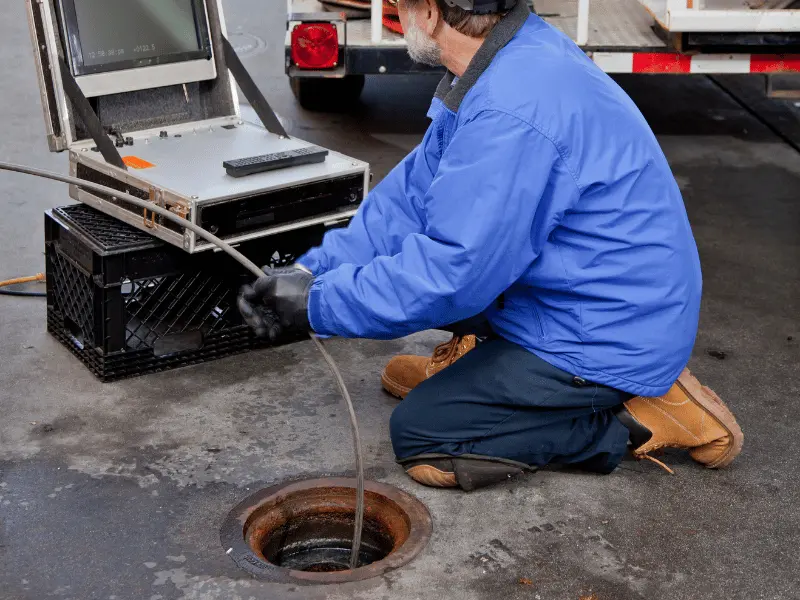
- A video inspection using a plumbing camera identifies pipe size, material, and damage.
- The jetting hose is inserted through the cleanout opening.
- A nozzle matched to the clog type releases pressurized water.
- Debris is dislodged and flushed using controlled flow.
- A final inspection confirms full pipe restoration.
This is why many property owners prefer Sewer Camera Inspection Specialists before jetting is approved.
The Science Behind High-Pressure Water Jetting
Hydro Jetting Experts use high-pressure water jetting which cleans pipes by balancing pressure and flow.
Pressure (PSI) breaks the bond between buildup and pipe walls, while flow rate (GPM) carries debris out of the system. Too much pressure without sufficient flow can leave debris behind, while high flow without pressure fails to dislodge buildup.
PSI Requirements by Pipe Size
|
Pipe Diameter |
Typical PSI Range |
Use Case |
|
3–4 inch |
1,500–2,500 PSI |
Residential laterals |
|
6–8 inch |
2,500–3,500 PSI |
Main sewer lines |
|
10–12 inch |
3,500–4,000 PSI |
Commercial systems |
Core Components of a Hydro Jetting System
Every hydro jet sewer line cleaning relies on precision equipment engineered for safety.
Essential Jetting Components
- Water jetter machine with onboard water tank
- High-pressure pump (the heart of the jetter)
- Jetting hose (¼” to 1” diameter)
- Specialized nozzles with front, side, and rear orifices
- Pressure regulation and safety controls
Mini-jetters, full-size jetters, and sewer flushers are selected based on pipe size and required flow.
Nozzle Types and Their Cleaning Roles
Different clogs require differe
What Hydro Jetting Can Remove From Sewer Lines
Hydro jet sewer line cleaning removes nearly all common pipe obstructions.
Materials Removed
- Grease buildup and fats, oils, and grease (FOG)
- Sludge and debris buildup
- Mineral deposits and calcified scale
- Sand and silt
- Hair clogs
- Tree roots intrusion
In situations like recurring backups, slow drainage across multiple fixtures, or pipe-wall buildup, hydro jetting pipes becomes the preferred method because it cleans the entire sewer line instead of just breaking through a single clog.nt nozzles. Rear-facing jets propel debris forward, while side jets scrub pipe walls. Chisel-type nozzles are effective against hardened scale, ice, and minor tree root intrusion. A 360-degree cleaning head is typically used during final passes to remove residual buildup.
Hydro Jetting vs Drain Snaking
Drain snaking breaks through clogs but leaves residue on pipe walls. Hydro jetting cleans the full cross-section of the pipe, reducing repeat blockages. Over time, repeated snaking can accelerate pipe wear, especially in older Mukilteo systems.
Is Hydro Jetting Safe for Older Pipes?
Hydro jetting is safe only when pipe condition is verified first. Clay tile, cast iron, and Orangeburg pipes may be vulnerable if already cracked. Proper inspection ensures PSI is adjusted or an alternative is selected.
Understanding PSI, GPM, and Safety Limits
More pressure is not always better.
Jetter Types and Flow Rates
|
Jetter Type |
Flow Rate |
Typical Use |
|
Mini-jetter |
≤ 5 GPM |
Indoor drains |
|
Full-size jetter |
5–30 GPM |
Sewer lines |
|
Sewer flusher |
30+ GPM |
Municipal pipes |
Operating at 4,000 PSI requires OSHA protective gear, as water at that pressure can cause serious injury if mishandled.
Special Applications and Edge Cases
Hydro jetting septic lines requires careful control and is typically limited to inlet and outlet pipes, not tanks. Basement sewer lines and grease-heavy systems benefit most from water jetting cleaning when traditional methods fail.
In urgent flooding scenarios, 24/7 Emergency Plumbing support may be required before jetting begins.
Signs You Need Hydro Jetting
- Frequent sewer backups
- Slow drains throughout the property
- Gurgling pipes or sewer odors
- Grease-heavy usage
- Failed snaking attempts
For long-term protection, hydro jetting often delays or eliminates the need for excavation by Sewer Line Repair Experts.
Additional Technical Considerations
A hydro jet sewer line solution also accounts for pressure jetting limits, pipe diameter, and flow velocity. Using a water jetting pipe system incorrectly can damage fragile materials, which is why professional calibration matters.
Restore Your Sewer Line the Right Way With Sewer Solutions NW
If recurring clogs, backups, or slow drains are disrupting your home or business, professional hydro jetting may be the long-term solution you need.
Sewer Solutions NW
📞 253-271-6843
Our team understands Mukilteo’s sewer systems, soil conditions, and winter challenges, and we deliver solutions that last.
FAQs About Hydro Jet Sewer Line Cleaning
What is hydro jet sewer line cleaning?
Hydro jet sewer line cleaning uses pressurized water to remove buildup from the entire interior of sewer pipes without chemicals.
How much PSI is used during hydro jetting?
Most systems operate between 2,000 and 4,000 PSI depending on pipe size and condition.
Can hydro jetting remove tree roots?
Yes, minor tree roots can be removed, though severe intrusion may require additional solutions.
Is hydro jetting environmentally safe?
Yes, it uses only water and avoids chemical contamination.
How long does hydro jetting take?
Most jobs are completed within two hours.
Is hydro jetting better than snaking?
Yes, because it cleans pipe walls instead of only breaking through clogs.