
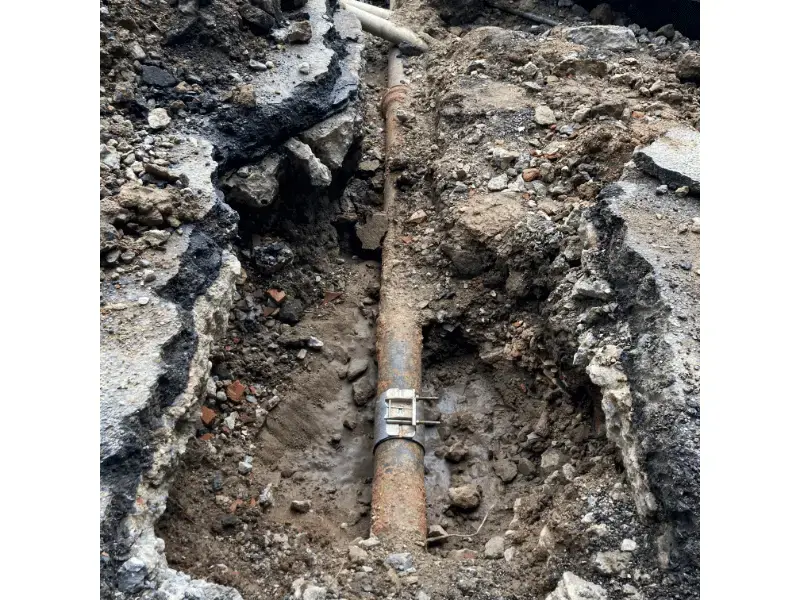
Signs of Broken Sewer Line Beneath Your Yard You Shouldn’t Ignore
Signs of Broken Sewer Line Beneath Your Yard You Shouldn’t Ignore
Quick Answer: The clearest signs of broken sewer line beneath your yard are persistent sewer odors, soggy or unusually green patches of grass, gurgling drains, multiple slow drains, frequent toilet backups, and new foundation cracks. Stop using heavy water, avoid chemical drain cleaners, and check for wet spots near the cleanout. Because wastewater can contaminate soil and damage your foundation, getting the line confirmed with a camera inspection is the safest next step especially after heavy rain or freezing weather.
Why Sewer Line Damage Beneath a Yard Is Easy to Miss
A sewer line is designed to quietly carry wastewater from your home through the sewer drain line to either the municipal sewer or a septic tank. Because the underground pipe is out of sight, early problems often look like a minor clog until a sewer line break becomes a messy emergency.
Most failures start small: a tiny crack, a sag in the main sewer pipe, or a joint separation. Then roots, grease, and debris gradually build into a sewer line blockage or a partial blockage. By the time you see yard flooding or a backup, the sewer system may already be under stress.
The Most Reliable Signs Beneath Your Yard
The most dependable signs of broken sewer lines in a yard are persistent wet ground, foul odors, sudden extra-green patches, and soil settling or cracks near the line path.
Wet Spots, Puddles, and Soft Ground That Won’t Dry
When a cracked sewer line or leak forms in underground sections, sewage can saturate the soil. Watch for:
- wet spots in the yard that appear even when it hasn’t rained
- puddles / standing water near the likely pipe route
- spongy ground that feels unstable underfoot
This isn’t just extra water. It can be soil saturation from wastewater escaping the sewer pipe.
Tip: Mark the wet area with small flags and take photos for 3 days. If it grows or stays wet, that’s a strong yard-level clue.
Unusually Lush Green Patches That Look Like Fertilizer
A suspiciously healthy patch can be one of the most overlooked broken sewer line symptoms. Sewage acts like fertilizer creating lush green patches (fertilizer effect) even during cool months.
If that green patch also smells bad or feels soggy, treat it as a potential leak, not a lawn win.
Foul Smells Outdoors (Not Just Indoors)
A properly sealed system shouldn’t smell. Yard odors can indicate:
- leaks in underground sections
- broken pipe connections
- gas escaping from a compromised line
You might notice foul odors near the cleanout, the foundation, or right above the suspected pipe route.
Indoor Warning Signs That Usually Mean the Problem Is in the Main Line
When multiple fixtures act up at once, it’s often the main sewer pipe, not a single drain.
Multiple Slow Drains Across the Home
One slow sink can be local. But slow draining in multiple fixtures suggests the flow problem is in the main line. Common patterns include:
- the shower drains slow after the toilet flushes
- the tub fills when the washing machine drains
- sinks and showers slow together
This is one of the most common signs of broken sewer lines homeowners notice first.
Frequent Toilet or Drain Backups
Frequent backups, especially toilet backup often indicate something deeper than a simple clog. If you’ve cleared a fixture and it returns quickly, suspect the main line.
You may also see water backing up in the lowest drain (basement shower, first-floor tub).
Gurgling, Bubbling, and Phantom Flush Sounds
Homeowners often ask why my drain gurgles or why drains make bubbling sounds even when no fixture is actively running. These phantom flush noises occur when air is displaced inside the main sewer line due to blockages, cracks, or root intrusion beneath the yard. As wastewater struggles to move through a restricted pipe, trapped air is forced backward through nearby drains, creating gurgling or bubbling sounds that can travel between fixtures. When this happens repeatedly especially alongside slow drainage or sewer odors it strongly suggests deeper sewer line trouble rather than a simple surface-level clog.
Rotten-Egg Smell or Sewer Odor From Drains
A classic clue is sewer gas smell often described as a rotten egg smell coming from drains or near the lowest fixtures.
One cause is a venting problem, but if it comes with slow drains and gurgling, a failing main line moves to the top of the list.
Structural and Health Red Flags You Should Take Seriously
Yes a broken sewer line is dangerous and can be a real concern when sewage leaks create contamination, mold risk, and foundation damage.
Foundation Cracks and Settling
When a leak persists, it can wash away or weaken soil, leading to:
- foundation cracks
- foundation settling
- uneven floors, sticking doors
This can turn into broader structural damage if ignored.
Mold, Humidity, and Indoor Moisture Problems
If a damaged line is close to the home or under a slab, moisture can creep into crawlspaces or lower walls. That can lead to mold and indoor air issues.
Groundwater and Soil Contamination Risk
Leaking sewage can raise groundwater contamination concerns and create unsafe conditions in the soil especially if children or pets use the yard regularly.
Common Causes of Sewer Line Failures in Seattle-Area Yards
The most common causes are roots, shifting soil, aging pipe materials, grease buildup, and heavy rain that overloads weak sections.
Tree Root Intrusion (The #1 Cause)
Tree root intrusion happens when roots seek moisture and slip into tiny cracks or joints. Over time they expand, catch debris, and can lead to collapse.
Aging Materials and Corrosion
Older homes may have lines prone to corrosion or brittle joints. Even a small defect can become a leak under seasonal stress.
Grease and Debris Build-Up
Grease solidifies, traps debris, and narrows the pipe. This gradually increases pressure and backups.
Seattle Weather Patterns and Heavy Rain
Periods of heavy rain can overwhelm systems and reveal weak points faster especially if a line already has a sag, crack, or partial obstruction.
Clay Soil + Ground Movement
Clay soil expands when wet and shrinks when dry, stressing buried pipes and joints. This is where clay soil damage plumbing becomes relevant: the repeated swell/shrink cycle can shift bedding, pull joints apart, and worsen cracks over time.
How to Tell If Sewer Pipe Is Leaking in Yard
To confirm sewer pipe leaking in the yard, combine yard wetness patterns, odors, and fixture behavior then verify with a camera inspection.
Use this simple checklist:
- Identify a wet or greener area that doesn’t match rainfall patterns
- Smell for sewer odor near that spot and near cleanouts
- Run water in a bathtub for 2-3 minutes and watch if the wet area grows
- Listen indoors for gurgling or bubbling after draining water
- Note if more than one fixture drains slowly or backs up
If you’re checking these boxes, treat it as more than a normal clog.
Quick Fixes You Can Do Right Now (Safe Damage-Control)
Quick fixes won’t repair a broken line, but they can reduce backups and limit damage until diagnosis.
Here’s what to do immediately (safe for most homes):
- Stop heavy water use: pause laundry, long showers, dishwasher cycles
- Use one fixture at a time: prevents overwhelming a restricted line
- Check the cleanout area: look for dampness, seepage, or odor
- Avoid store-bought drain chemicals: they can worsen corrosion and don’t fix main-line damage
- Protect low drains: if you’ve had backups, block off basement showers/floor drains if possible
Tip: If you suspect a backup is building, run as little water as possible. Wastewater pressure is what turns a manageable restriction into a messy overflow.
What Professionals Check to Confirm the Problem (Without Guessing)
The fastest confirmation is a camera inspection through cleanout access, followed by targeted testing if needed.
Video Camera Inspection
Camera inspection lets a tech locate blockages, cracks, corrosion, and root intrusion by sending a waterproof camera through access points.
This is where underground sewer camera inspection technicians measure proper operation and accurate interpretation helps you avoid wrong assumptions (like it’s just a clog).
Hydrostatic Testing
When leaks are suspected under slabs or near foundations, hydrostatic testing can help determine if the line holds pressure. A pressure drop suggests leakage.
Locating the Sewer Cleanout and Access Points
Sewer cleanout locations and access points make diagnostics faster. If cleanouts are buried or missing, locating them becomes part of the job.
When Blockages vs Breaks Matter (And What Each Looks Like)
Blockages usually cause repeated slow drains and backups; breaks add yard wetness, odors, and soil movement. Here’s a quick comparison.
Blockage vs Break-How the Symptoms Compare
| Symptom | More Common With Blockage | More Common With Break/Leak |
| Multiple slow drains | ✅ Yes | ✅ Yes |
| Frequent backups/toilet backup | ✅ Yes | ✅ Yes |
| Gurgling drains / trapped air | ✅ Yes | ✅ Yes |
| Wet spots in the yard | ❌ Rare | ✅ Common |
| Lush green patches | ❌ Rare | ✅ Common |
| Foundation settling/cracks | ❌ Rare | ✅ Possible |
| Persistent foul odors outdoors | ❌ Sometimes | ✅ Common |
What Severely Clogged Looks Like (And Why Pressure Cleaning Is Mentioned)
Severe buildup is when flow keeps failing after basic clearing, and the pipe interior is narrowed by grease/scale/roots.
If the camera shows heavy buildup (not a collapse), a cleaning step may be recommended before any repairs. For example, Hydro jet sewer line cleaning may be discussed as a method for removing packed grease, sludge, and debris without implying it’s always the answer.
Signs of a Cracked Sewer Pipe vs a Full Sewer Line Break
A crack can leak gradually; a break often creates sudden failure with major backups or yard saturation.
- signs of a cracked sewer pipe: mild but persistent odor, recurring slow drains, small wet areas
- sewer line break: rapid backups, larger puddles, widespread sogginess, strong odors, or soil shifting
Both can appear similar at first verification matters.
Step-by-Step: What to Do If You Suspect Damage Today
Reduce water use, document symptoms, and schedule inspection quickly to prevent escalation.
- Stop heavy water use (laundry, dishwasher, long showers)
- Check the yard for wet spots, lush patches, or sinking areas
- Note which fixtures are affected and when symptoms occur
- Avoid chemical drain cleaners
- Arrange inspection so the exact location is confirmed
- If sewage backs up indoors, stop water entirely and keep people/pets away
If symptoms persist or worsen after these steps, consulting local plumbing experts helps ensure the sewer system is evaluated safely and accurately before hidden damage spreads beneath your yard.
Costly Escalation Triggers (When It Becomes an Emergency)
It’s urgent if sewage backs up indoors, the yard develops sinkhole-like settling, or odors become intense and constant. Watch for:
- sewage entering tubs/toilets/floor drains
- rapid spreading wet areas
- new or widening foundation cracks
- strong indoor sewer gas smell with symptoms like nausea or dizziness
This is where sewer broken conditions can quickly worsen from annoying to hazard.
Prevention Tips to Reduce Future Sewer Line Failures
Preventive habits reduce buildup and stress on weak joints, but they don’t reverse old damage. Use these realistic prevention tips:
- Keep fats/grease out of drains; wipe pans before washing
- Flush only toilet paper (no wipes)
- Manage root-prone trees near the line route
- Keep a simple yearly check routine if you’ve had past issues
- Address drainage issues that keep soil overly saturated near the foundation
Tip: If you’re in a heavy-rain area, don’t ignore symptoms that spike during storms; those patterns are valuable diagnostic clues.
How to Fix Broken Sewer Pipe Under House (What’s Safe to Know)
Fixing a broken sewer pipe under a house depends on the exact location and failure type, but the safest first step is confirming the damage and preventing sewage exposure.
If the issue is under a slab or crawlspace, the approach varies:
- some cases require targeted access to replace a section
- other cases may use internal lining depending on pipe condition
- sometimes cleaning is done first to see the true defect
Because incorrect DIY attempts can increase contamination and structural risk, this is usually professional work especially if there’s sewage leakage or foundation impact.
This is where coordinating with sewer line repair technicians becomes necessary once the diagnosis is confirmed.
Diagnostic Checklist for Homeowners
If you have 3+ items below, treat it as a high-likelihood main-line issue.
- Multiple slow drains in different rooms
- Toilet backup or water backing up in a tub
- Gurgling drains / bubbling noises
- Foul odors outdoors near the pipe route
- Wet spots in the yard that persist
- Lush green patches concentrated in one spot
- Foundation cracks or settling changes
- Symptoms worse after heavy rain
Quick Severity Guide-What Your Symptoms Suggest
| What You Notice | Likely Severity | What To Do Next |
| One slow sink only | Low | Clear localized clog; monitor |
| Multiple slow drains | Medium | Reduce water use; schedule inspection |
| Gurgling + odors + slow drains | Medium–High | Treat as main-line issue; inspect soon |
| Yard sogginess + lush patch + odors | High | Avoid yard contact; inspect urgently |
| Sewage backup indoors | Emergency | Stop water; get immediate help |
Call Now If You’re Seeing These Warning Signs
If you’re noticing signs of broken sewer lines like soggy patches, sewer odors, gurgling drains, or repeated backups get it checked before it turns into major contamination or structural damage.
Sewer Solutions NW can help you pinpoint what’s happening and recommend the safest next step.
📞 Call: 253-271-6843
FAQs About Signs of Broken Sewer Line in Yard
1. What are the most common signs of broken sewer line in a yard?
The most common signs of broken sewer line are persistent wet ground, foul odors, unusually green patches, and indoor gurgling or backups happening at the same time.
2. Can heavy rain make sewer problems show up more clearly?
Yes, heavy rain can overwhelm weak sections, worsen blockages, and reveal leaks faster, especially if there’s already partial obstruction or soil shifting.
3. What causes gurgling drains when the sewer line is failing?
Gurgling occurs when trapped air is forced through drains due to restricted flow from a blockage, root intrusion, or damage affecting the main line.
4. Is it safe to keep using water if I suspect sewer damage?
It’s safer to reduce water use immediately, because extra flow can trigger backups and increase contamination and damage.
5. What’s the fastest way to confirm whether it’s a break or a clog?
A sewer camera inspection through a cleanout is typically the fastest way to see cracks, roots, collapsed areas, or severe buildup.
6. Can a broken sewer line damage my foundation?
Yes, leaks can erode soil and create settling that leads to foundation cracks, uneven floors, and structural instability if ignored.